Nicaragua’s volcanic soil, high-altitude farms, and dedicated growers produce some of the world’s most balanced and flavorful coffees. Known for their medium body and complex notes of chocolate, citrus, and stone fruits, Nicaraguan beans offer a sophisticated cup that appeals to a wide range of palates. From the renowned regions of Jinotega and Segovia, these coffees are a testament to the country’s rich coffee-growing heritage.
Whether you prefer a bright, light roast or a deep, dark roast, our 2025 roundup has a Nicaraguan coffee to suit your taste. We’ve curated a list of top-tier whole bean options, focusing on quality, sourcing ethics, and unique flavor profiles to help you find your next favorite brew. Each selection promises an authentic and satisfying experience for your morning ritual or afternoon break.
The Best Nicaraguan Coffee Beans For Your Collection
- Volcanica Nicaragua Coffee, Jinotega, Whole Bean
- Tiny Footprint Coffee – Fair Trade Organic Nicaragua Segovia Dark Roast
- Stone Street Cold Brew Coffee, Strong & Smooth Blend
- Ethiopian Bold Light Roast Coffee, Gourmet Single-Origin
- Volcanica Whole Bean Coffee Nicaraguan Medium Roast
- Mayorga Organics Cafe Nica Dark Roast Whole Bean Coffee
- Nicaragua Segovia Dark Roast Whole Bean Coffee
- Ruta Maya Organic Nicaraguan Coffee Whole Bean
Volcanica Nicaragua Coffee, Jinotega, Whole Bean
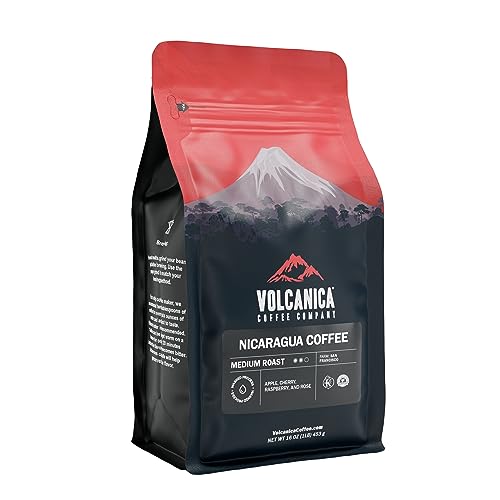
Hailing from the high-altitude Jinotega region, this medium roast from Volcanica is celebrated for its great body, clean flavor, and excellent balance. The cup presents a complex profile with distinct notes of chocolate and lemon, complemented by undertones of plum and honey for a truly remarkable taste experience.
This coffee stands out for its commitment to safety and quality. It undergoes rigorous phytosanitary testing before export and a lab analysis upon arrival to check for impurities like mycotoxins and mold. Roasted at over 400°F, this meticulous process guarantees a fresh and safe coffee experience.
Tiny Footprint Coffee – Fair Trade Organic Nicaragua Segovia Dark Roast

This dark roast offers a compelling combination of rich flavor and positive social impact. Sourced from the Segovia region, it is USDA Organic, Fair Trade Certified, and Shade-Grown, ensuring a product that is good for both the drinker and the environment.
The flavor profile is sultry and bold with classic dark roast tones of chocolate. These are balanced by traditional Nicaraguan flavors of bright apricot, fig, and spice. By purchasing this coffee, you support PRODECOOP, a cooperative that uses its proceeds to fund programs in medical care, education, and environmental sustainability for its members.
Stone Street Cold Brew Coffee, Strong & Smooth Blend

While not a Nicaraguan single-origin, this Colombian Supremo dark roast is expertly crafted for cold brewing, a method that pairs exceptionally well with the chocolatey notes often found in Central American beans. It is a low-acid, 100% Arabica blend designed for a smooth and strong result.
The ‘supremo’ classification indicates the largest and highest quality beans from Colombia. The dark roast process enhances the inherent nutty and chocolate notes, creating a delicious base for cold brew. You can easily adjust the strength to your preference by modifying the coffee-to-water ratio or brewing time.
Ethiopian Bold Light Roast Coffee, Gourmet Single-Origin

This coffee is included to highlight a contrasting origin profile. As a single-origin Ethiopian light roast, it offers a completely different experience from the typical Nicaraguan cup. The beans undergo a unique drying process that leaves fruit peel pulp on the cherry, contributing to its distinctive character.
The light roast level brings out intensely bright and clean flavors, featuring prominent notes of lemon tart, raw honey, and floral nectar. Meticulously roasted in small batches at Cooper’s Cask Coffee, this bean provides a bold and vibrant expression that is perfect for those who appreciate a brighter, more acidic coffee.
Volcanica Whole Bean Coffee Nicaraguan Medium Roast
This offering from Volcanica provides a classic representation of Nicaraguan coffee. As a medium roast, it allows the bean’s inherent flavor characteristics to shine through without being overshadowed by the roasting process. You can expect a well-balanced cup that is both accessible and complex.
Volcanica is known for sourcing its beans from volcanic regions around the world, which are famous for producing rich and fertile soil. This Nicaraguan selection is no exception, promising a smooth and flavorful brew that makes for an excellent daily drinker.
Mayorga Organics Cafe Nica Dark Roast Whole Bean Coffee
Mayorga Organics brings a dark roast option to the table with its Cafe Nica blend. This coffee is likely to appeal to those who enjoy a richer, more robust cup with the deep, caramelized sugars that a dark roast develops.
As an organic product, it is cultivated without the use of synthetic pesticides or fertilizers. Mayorga Organics has a strong reputation for supporting farmer direct trade, ensuring that the growers receive fair compensation for their high-quality harvests.
Nicaragua Segovia Dark Roast Whole Bean Coffee by Fresh Roasted Coffee
This coffee highlights beans from the esteemed Segovia region, known for producing some of Nicaragua’s finest coffees. The dark roast profile is designed to create a full-bodied and intense cup, likely with low acidity and prominent roasted notes.
Fresh Roasted Coffee is known for roasting to order, which means the beans are shipped soon after roasting to ensure maximum freshness upon arrival. This commitment to freshness helps preserve the complex flavors inherent in the Segovia beans.
Ruta Maya Organic Nicaraguan Coffee Whole Bean
Ruta Maya offers an Organic Nicaraguan coffee with a medium dark roast, providing a perfect middle ground for those who enjoy the body of a dark roast but want to retain more of the bean’s origin character than a full dark roast allows.
This roast level typically results in a cup that is rich and smooth, with some of the chocolatey sweetness of a dark roast while maintaining a pleasant balance. As an organic certified coffee, it meets strict standards for sustainable and environmentally friendly farming practices.
Buying Guide: How to Choose Your Nicaraguan Coffee
When I look for the best Nicaraguan coffee beans and brands for 2025, I focus on a few key factors that make a real difference in my cup. Nicaragua’s diverse geography, with its volcanic soil and high-altitude farms, produces beans with a distinct character, but knowing what to look for helps me find the perfect match for my taste.
First, I always check the region. Nicaraguan coffee is known for its regional diversity. Jinotega, often called the “City of Mists,” produces coffees with bright acidity and floral notes. Matagalpa beans tend to be fuller-bodied with chocolate and fruit flavors. Nueva Segovia, near the Honduran border, is famous for its complex, wine-like acidity and is the source of many award-winning beans. The region tells me a lot about the coffee’s potential flavor profile before I even buy it.
Next, I pay close attention to the roast level. A medium roast is often my go-to for Nicaraguan beans because it preserves their inherent brightness and nuanced flavors like citrus, caramel, and nuts. If I’m in the mood for something richer with more pronounced chocolate or smoky notes, I might opt for a medium-dark roast. I generally avoid dark roasts for high-quality, single-origin Nicaraguan beans, as they can overpower the very subtleties I’m trying to enjoy.
The processing method is another crucial piece of the puzzle. Washed (or wet-processed) coffees are common and result in a clean, bright cup that highlights the bean’s pure acidity and clarity. Honey-processed beans, where some of the fruit mucilage is left on during drying, often give me a sweeter, heavier body with fruity undertones. Natural-processed coffees, dried inside the whole fruit, can be wild and intensely fruity. Understanding these methods helps me predict whether I’ll get a classic, balanced cup or something more adventurous.
Finally, I look for transparency. I prefer brands that tell me not just the country, but the specific region, farm, or cooperative where the beans were grown. This information is a sign of quality and ethical sourcing. It means the company has a direct relationship with the farmers, which often leads to better coffee and better pay for the producers. I also check the roast date to ensure I’m getting the freshest beans possible, as flavor peaks within weeks of roasting. By considering region, roast, process, and brand ethics, I can confidently select from the best Nicaraguan coffee beans and brands for 2025 that will truly satisfy my preferences.
FAQ
What makes Nicaraguan coffee unique?
Nicaraguan coffee stands out because of the country’s ideal growing conditions. The high altitudes, rich volcanic soil, and perfect climate across regions like Jinotega and Nueva Segovia contribute to beans with a well-balanced profile. You often get a cup that has a bright, clean acidity paired with a medium body and notes of chocolate, nuts, caramel, and stone fruits. This balance makes it a very approachable yet complex single-origin coffee.
What is the best roast level for Nicaraguan beans?
In my experience, a medium roast is typically the best choice for appreciating the full character of a high-quality Nicaraguan bean. It maintains the coffee’s inherent brightness and allows its nuanced flavors—like citrus, brown sugar, and cocoa—to shine. A medium-dark roast can also work well if you prefer a cup with deeper chocolate or smoky notes and a slightly heavier body.
How should I brew Nicaraguan coffee?
You can brew it successfully with most methods, but I find pour-over methods like a Hario V60 or Chemex are fantastic for highlighting its clarity and bright acidity. A French press will emphasize its body and deeper chocolate notes, while an AeroPress offers a clean and intense cup. I recommend starting with a medium grind and adjusting based on your chosen brewer to find your perfect strength.
Are there any specific certifications I should look for?
Look for certifications if supporting specific farming practices is important to you. Organic certification ensures the coffee was grown without synthetic pesticides. Fair Trade certification indicates that the farmers received a fair price. Bird-Friendly or Rainforest Alliance certifications focus on shade-growing and environmental conservation. Many of the best Nicaraguan coffee beans and brands for 2025 will highlight these certifications if they have them.
What’s the difference between single-origin and blends?
A single-origin Nicaraguan coffee comes from one specific country, region, or even a single farm. I choose this when I want to taste the unique, unblended character of beans from that particular place. A blend mixes beans from different origins (which could include Nicaragua) to create a specific, consistent flavor profile. If you want to experience the pure taste of Nicaragua, a single-origin is the way to go.