For many, the morning ritual of brewing espresso is a sacred moment of peace. The last thing you want is a noisy machine shattering that tranquility. Whether you’re an early riser trying not to wake the household or simply appreciate a quieter kitchen environment, a silent or near-silent espresso machine is a game-changer.
Fortunately, modern espresso machines come in various forms, from fully manual to super-automatic, many designed with noise reduction in mind. This roundup focuses on machines that prioritize a peaceful brewing experience without compromising on the quality of your coffee. You can find the perfect balance of performance and quiet operation for your home.
Our Top Picks for Quiet Espresso Machines
- Flair Espresso Maker – Classic
- Miele CM 5510 Silence Automatic Coffee Machine
- FVLFIL La Spaziale Vivaldi II Dual Boiler
- Nespresso Pixie Coffee and Espresso Machine
- De’Longhi Eletta Explore Espresso Machine
- Philips 3200 Series Fully Automatic Espresso Machine
- De’Longhi Stilosa Manual Espresso Machine
- Gaggia Magenta Prestige Super-Automatic Espresso Machine
- Breville Barista Touch Impress Espresso Machine
Flair Espresso Maker – Classic
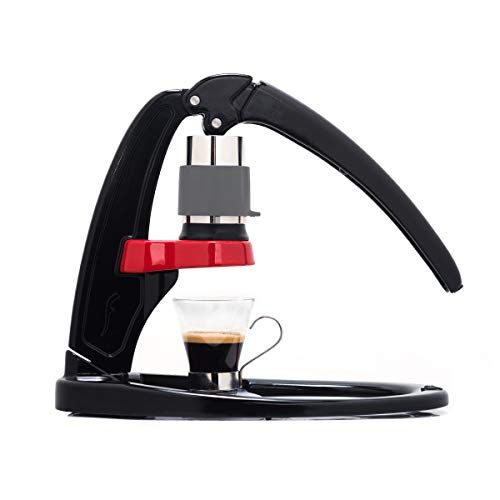
The Flair Espresso Maker offers the ultimate silent brewing experience because it is entirely non-electric. This manual lever machine gives you complete control to produce professional-quality shots with rich crema, all without a single decibel of motor noise. Its operation relies solely on your input, making it perfect for quiet mornings or portable use anywhere.
Beyond its quiet nature, the Flair is celebrated for its beautiful, minimalist design that fits any kitchen aesthetic. The patented, fully detachable brewing head makes cleaning remarkably simple—just disassemble and rinse the components under cool water. For coffee enthusiasts who enjoy the hands-on process, this machine provides a deeply rewarding and peaceful way to craft your espresso.
Miele CM 5510 Silence Automatic Coffee Machine
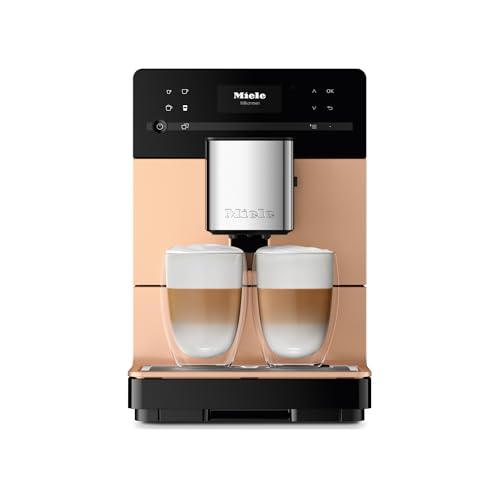
Miele’s CM 5510 is engineered with a specific focus on quiet operation, featuring a specially designed grinder made of wear-resistant steel that minimizes noise. Its AromaticSystem ensures that this quiet performance doesn’t come at the cost of flavor, delivering intense coffee aroma and perfectly conserved grinding for a superior cup.
This machine offers remarkable convenience with its OneTouch for Two function, allowing you to prepare two specialty drinks simultaneously. From espresso and coffee to latte macchiato, it can handle a wide variety of beverages and even includes a coffee pot function for serving multiple cups. It’s an ideal solution for those who want full automation with minimal auditory disruption.
FVLFIL La Spaziale Vivaldi II Dual Boiler

The La Spaziale Vivaldi II is a professional-grade machine built for serious home baristas. Its dual boiler system is a key feature for both performance and noise management; one boiler is dedicated to brewing at the perfect temperature while the other handles steam, allowing for quick and efficient operation that can reduce overall machine run time and noise.
This model includes advanced features like programmable passive pre-infusion, which gently saturates the coffee puck for more even extraction and fuller flavor. The inclusion of a dual manometer lets you precisely monitor both brew and steam pressure. It’s a robust machine designed for those who value commercial quality and efficient, relatively quiet brewing in a home environment.
Nespresso Pixie Coffee and Espresso Machine
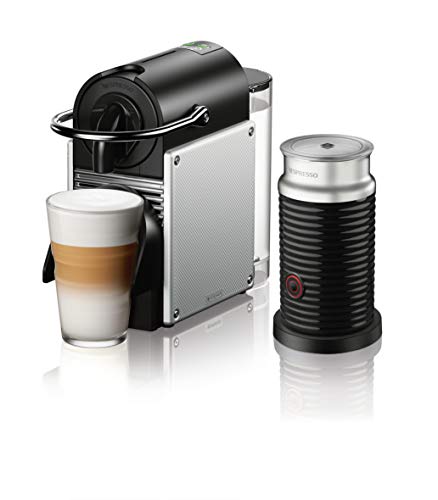
The Nespresso Pixie is renowned for its compact design and remarkably fast operation. It heats up in just 25 seconds, which means less time for any pump noise to be a bother. The 19-bar high-performance pump is efficient and designed for quick extraction, contributing to a shorter, quieter brewing cycle perfect for small spaces and quick coffee breaks.
Simplicity is at the core of the Pixie’s design. With two programmable buttons for Espresso and Lungo, the process is straightforward and mess-free, thanks to the unique drop-stop technology. Its ultra-compact and elegant profile makes it a discreet addition to any kitchen counter, offering convenience without the typical noise and footprint of larger machines.
De’Longhi Eletta Explore Espresso Machine

The De’Longhi Eletta Explore is a technologically advanced machine that offers over 50 one-touch recipes for both hot and cold coffee beverages. Its built-in grinder with 13 settings is engineered for precise, consistent dosing and relatively quiet operation, ensuring optimal extraction for everything from a classic espresso to a cold brew.
A standout feature is the dual LatteCrema system, which separately creates hot and cold milk foam. This allows for a wide range of specialty drinks without the constant high-pitched noise of a traditional steam wand. With user profiles and smartphone compatibility, it provides a personalized and modern coffee experience with a focus on versatile, quiet functionality.
Philips 3200 Series Fully Automatic Espresso Machine

The Philips 3200 Series is designed for ease of use and consistent results with minimal noise. Its intuitive touch display puts five aromatic coffee varieties—from espresso to latte macchiato—just one touch away. The 100% ceramic grinder is not only durable but also operates more quietly than many metal grinders, a key benefit for noise-sensitive users.
Philips’ Aroma Extract system intelligently balances brewing temperature and aroma extraction for a perfectly balanced cup every time. The integrated LatteGo milk frothing system uses a simple, no-hassle design that is easy to clean and operates with less noise than traditional steam wands. It’s a solid, reliable choice for effortless daily brewing.
De’Longhi Stilosa Manual Espresso Machine
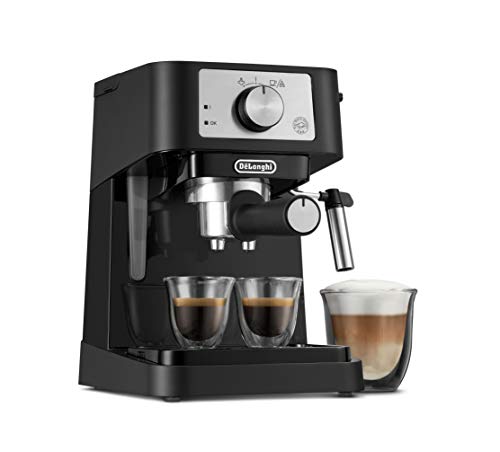
The De’Longhi Stilosa is a compact and stylish machine that offers a manual brewing experience without the complex noise of more advanced automatics. Its 15-bar pump provides optimal pressure for extracting rich espresso, and the compact design ensures it doesn’t dominate your countertop, both visually and audibly.
This machine includes a manual milk frother steam wand, giving you the control to texture milk for cappuccinos and lattes. While the steam wand does produce sound, the overall simplicity of the machine means there are no loud grinders or complex internal mechanisms. It’s an excellent entry-level option for learning the basics of espresso with a relatively quiet footprint.
Gaggia Magenta Prestige Super-Automatic Espresso Machine

Gaggia’s Magenta Prestige combines a sleek modern design with user-friendly operation. Its full-color, icon-based display makes navigation simple and visually appealing. The machine offers 12 customizable drink selections, allowing you to fine-tune your favorite beverages to your exact preference with ease.
A notable feature is the “On the Fly Programming,” which lets you adjust settings for any drink during the brewing process and save them for next time. This level of customization, paired with Gaggia’s engineering, results in a machine that operates efficiently and with a noise level that is manageable for a super-automatic, making your home café experience both personalized and peaceful.
Breville Barista Touch Impress Espresso Machine
Breville’s Barista Touch Impress is designed to take the guesswork out of manual espresso preparation, contributing to a smoother and more consistent process. Its automated dosing and tamping system removes two variables that often lead to frustration, ensuring a perfect puck of coffee every time with minimal effort and a reduction in user-caused noise and mess.
The machine features a guided menu on a colorful touchscreen, making it simple to select and customize your drink. By automating the most challenging steps while still giving you the option to manually steam milk, it offers a balanced experience. This intelligent automation leads to a more efficient and generally quieter workflow from grinding to extraction.
Buying Guide: What to Look For in a Quiet Espresso Machine
When I started looking for a quiet espresso machine, I quickly realized that “quiet” is a relative term. The goal isn’t complete silence—that’s impossible with pumps and boilers—but a significant reduction in the typical roar and vibration. My main focus became understanding what makes a machine loud in the first place and which features directly contribute to a more peaceful brewing experience.
The biggest culprit for noise is almost always the pump. Traditional espresso machines use vibratory pumps. These are small, powerful, and cost-effective, but they are also the source of that loud, buzzing hum you hear during extraction. For a quieter operation, you want to look for a machine with a rotary pump. These pumps are much larger and are typically found in higher-end, prosumer or commercial machines. They operate with a smooth, rotating motion that is significantly quieter than a vibratory pump’s rapid back-and-forth action. While machines with rotary pumps are a bigger investment, they are the gold standard for quiet performance.
If a rotary pump machine is outside your budget, don’t despair. Many modern vibratory pumps have been engineered to be much quieter than their predecessors. Look for machines that feature sound-dampening technology, such as insulated pump chambers or rubber mounting systems that absorb vibrations before they transfer to the machine’s body and your countertop. This vibration is a huge part of the perceived noise, so a well-damped vibratory pump can be a fantastic compromise.
Another factor I consider is the machine’s overall build quality and materials. A heavier machine with a solid metal chassis is less likely to rattle and amplify internal sounds than a lighter, plastic-bodied one. Also, think about your routine. If you’re an early riser, a machine with a fast heat-up time means the boiler and heating elements are running for a shorter period, reducing overall noise. For those who love milk drinks, consider that the steam wand can also be a source of noise, though it’s usually a shorter, more acceptable burst of sound compared to the extraction process.
Ultimately, finding the right quiet espresso machine for your home is about balancing your noise tolerance with your budget and feature requirements. Prioritizing a rotary pump or a well-insulated vibratory pump is the most direct path to achieving that near-silent home brewing experience we all want for our peaceful morning ritual.
FAQ
What makes one espresso machine quieter than another?
The primary difference is the type of pump. Rotary pumps are inherently quieter and smoother than the more common vibratory pumps. Beyond that, sound-dampening construction is key. Machines that use insulation around the pump chamber and rubber gaskets to prevent vibration from transferring to the chassis will always be quieter than those that don’t.
Are manual espresso machines quieter than automatic ones?
Absolutely. Manual lever machines are the quietest option available because they have no electric pump at all. You provide the pressure, which means the only sounds are the gentle hiss of steam and the physical movement of the lever. They require more skill and effort, but for pure silence, they can’t be beaten.
Can I make my current espresso machine quieter?
You can reduce some noise, but you can’t change its fundamental design. Placing a rubber or silicone mat under your machine can drastically cut down on countertop vibration, which is a major component of perceived loudness. Ensuring all panels are screwed on tightly can also minimize rattling. However, you can’t retrofit a vibratory pump with a rotary one.
Is a quieter machine less powerful?
Not at all. In fact, the quietest pumps—rotary pumps—are often more powerful and consistent than their louder, vibratory counterparts. They are designed for commercial environments where they run for hours, providing stable pressure with less noise. A quiet machine is an engineering achievement, not a compromise on performance.
Do all super-automatic machines with bean grinders make a lot of noise?
The grinding process in a super-automatic will always create some noise, but the quality of the machine matters. Higher-end models often feature burr grinders with better sound insulation. When it’s time to brew, a super-automatic with a well-designed pump system can be one of the better options for near-silent home brewing, as the loudest part (grinding) is over quickly and separately from the quieter extraction.
What is a reasonable decibel level to expect from a “quiet” espresso machine?
While specifications can be hard to find, a typical loud machine might operate around 80-90 dB. A machine marketed as quiet will often be in the 50-65 dB range. To put that in perspective, 50 dB is similar to a quiet conversation at home, while 65 dB is closer to the sound of a washing machine. The goal is to get below that disruptive threshold.