Ethiopia, the legendary birthplace of coffee, offers some of the world’s most sought-after and complex beans. The high-altitude regions, particularly Yirgacheffe, Sidamo, and Guji, produce Arabica beans celebrated for their vibrant acidity and intricate flavor profiles. From the iconic floral and citrus notes of a Yirgacheffe to the bold, wine-like tones of a natural process Sidamo, the diversity within this single origin is astounding.
This roundup is your guide to navigating the rich landscape of Ethiopian coffee available in 2025. We have selected nine distinct options, ranging from certified organic light roasts to robust dark roasts, each promising to deliver a genuine taste of coffee’s ancestral home. Whether you prefer whole bean for peak freshness or a specific grind for your brewing method, there is a perfect Ethiopian coffee waiting to be your new favorite.
Our Top Ethiopian Coffee Picks for 2025
- Ethiopian Coffee, Yirgacheffe Region, USDA Organic
- Coffee Bean Direct Dark Ethiopian Yirgacheffe
- Ethiopian Bold Light Roast Coffee, Gourmet Single-Origin
- Fresh Roasted Coffee, Ethiopian Yirgacheffe Kochere
- Stone Street Cold Brew Coffee, Low Acid, 100% Arabica
- The Coffee Bean & Tea Leaf, Ethiopia Yirgacheffe
- Fresh Roasted Coffee, Organic Ethiopian Sidamo Natural
- Stumptown Coffee Roasters Whole Beans, Ethiopia Guji
- Cooper’s Cask Ethiopian Light Roast Whole Bean Coffee
Ethiopian Coffee, Yirgacheffe Region, USDA Organic
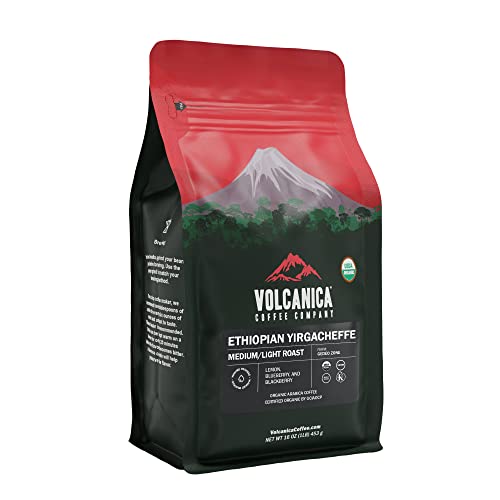
This coffee presents a classic representation of the Yirgacheffe region with its medium body and bright acidity. The flavor profile is complex, featuring rough, fruity, and winy tones complemented by an earthy aroma. You can expect distinct notes of lemon, blueberry, and blackberry to come through in each cup.
Quality and safety are central to this product. The beans undergo rigorous phytosanitary testing and lab analysis for mycotoxins and mold. They are then roasted at temperatures exceeding 400°F, a process designed to guarantee a fresh and impurity-free coffee experience. Being USDA Organic and Kosher, this medium/light roast whole bean coffee is crafted to let the true character of the bean shine.
Coffee Bean Direct Dark Ethiopian Yirgacheffe

For those who enjoy a bolder cup, this Dark Roast Ethiopian Yirgacheffe offers a unique take on the origin. It maintains a smooth body and crisp acidity characteristic of the region but with a deeper, richer profile. The tasting notes include subtle fruity undertones that lead into a distinct baker’s chocolate finish.
This product comes in a substantial five-pound bag, making it an excellent choice for high-volume households or offices. The whole beans are versatile and can be ground to suit various brewing methods, including French press, AeroPress, and pour-over. It is a single-origin coffee that provides a consistent and satisfying dark roast experience.
Ethiopian Bold Light Roast Coffee, Gourmet Single-Origin

This coffee stands out due to its unique processing method. The beans are dried with the fruit peel pulp still on the cherry, a technique that imparts a distinctive and delightful combination of flavors. The result is an intensely bright and clean cup, with the light roast level highlighting notes of lemon tart, raw honey, and floral nectar.
Meticulous small-batch roasting at Cooper’s Cask Coffee ensures quality and consistency. This approach allows for careful control over the roasting process, guaranteeing that each bag delivers a bold and vibrant expression of the beans’ inherent tasting notes. It is a gourmet, single-origin product for those who appreciate a complex and lively light roast.
Fresh Roasted Coffee, Ethiopian Yirgacheffe Kochere

Hailing specifically from the Kochere area within Yirgacheffe, this coffee offers a well-balanced and mild profile. It is a brilliant choice for any coffee lover seeking an approachable yet characterful African coffee. The flavor notes are clear and pleasant, with distinct hints of lemon and honey shining through.
This is a single-origin coffee made from heirloom varietals that are wash processed and sun-dried. The medium roast level is ideal for showcasing the bean’s natural qualities. The coffee is Kosher certified, sustainably sourced, and roasted in the USA, providing a fresh and ethically conscious choice.
Stone Street Cold Brew Coffee, Low Acid, 100% Arabica

While not an Ethiopian single-origin, this Colombian coffee is included for its specific purpose: creating an exceptional cold brew. It is a coarse ground coffee, which is the ideal texture for optimal cold water extraction, preventing over-extraction and bitterness. The result is a bold, balanced, and low-acid coffee that is smooth and slightly sweet.
The beans are a dark roast Colombian Supremo, known for being the largest and highest quality from the region. This roast brings out nutty and chocolate notes that are particularly well-suited for cold brewing. You can easily adjust the strength of your brew to match your personal preference.
The Coffee Bean & Tea Leaf, Ethiopia Yirgacheffe

This offering from a well-known roaster features single-origin beans hand-picked from a farm in the mountains above Sidamo. The light roast is designed to highlight the bean’s inherent qualities, resulting in a cup with an intensely floral aroma. The taste is mellow and smooth, providing a very accessible and flavorful experience.
The brand emphasizes its direct sourcing and hand-selection process, claiming to use only the top 1% of specialty grade Arabica beans from small global farms. This focus on quality ensures that you are getting a premium product that accurately represents its origin.
Fresh Roasted Coffee, Organic Ethiopian Sidamo Natural
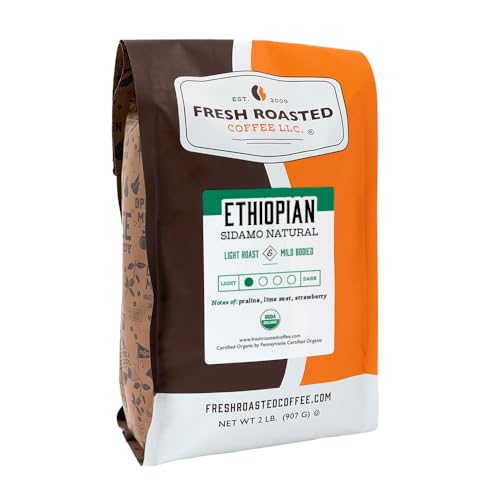
This coffee showcases the distinct profile of a naturally processed Sidamo Guji. The natural process, where the coffee cherry dries with the bean inside, gives this coffee its unique and exquisite flavor, marked by bright acidity and prominent berry and wine-like notes. A light roast allows these complex flavors to be the main focus.
It is certified USDA Organic by Pennsylvania Certified Organic, ensuring the coffee is free from GMOs and harmful synthetic substances at every stage of production. It is also certified Kosher. This 100% Arabica coffee is versatile and can be used in a wide range of brewing equipment.
Stumptown Coffee Roasters Whole Beans, Ethiopia Guji

From the renowned roaster Stumptown, this Ethiopia Guji is carefully curated to represent the best qualities of the Guji region. The flavor profile is unique and complex, featuring notes of lemon-lime, black tea, and hops. This creates a cup that is both refreshing and deeply layered.
Stumptown highlights the seasonality of this coffee, noting its availability from July through February. This focus on fresh, seasonal lots ensures that you are experiencing the beans at their peak. It is a choice for coffee enthusiasts looking for a professionally roasted, high-end single-origin experience.
Cooper’s Cask Ethiopian Light Roast Whole Bean Coffee
This Ethiopian light roast from Cooper’s Cask is crafted to highlight the bean’s natural brightness and clarity. The small-batch roasting process is a key feature, ensuring an artful and consistent roast every time. This method helps to preserve the delicate and complex flavors inherent in the beans.
The result is a vibrant and expressive coffee that showcases the characteristic tasting notes of high-quality Ethiopian Arabica. As a whole bean coffee, it allows you to grind the beans immediately before brewing, capturing the fullest aroma and flavor possible for a superior cup.
Buying Guide: What to Look For in Ethiopian Coffee
When I’m looking to buy Ethiopian coffee, I always start by remembering it’s the genetic home of Arabica. This isn’t just marketing; it means the flavors you get are often wilder, more complex, and more varied than from anywhere else in the world. The sheer diversity can be overwhelming, so I focus on a few key things to find a bag I’ll love.
First, I check the region. This is the biggest clue to the flavor profile. Yirgacheffe coffees are my go-to for a classic, floral, and tea-like cup with bright citrus notes. They’re often washed (or wet-processed), which gives them that clean, crisp acidity. If I’m in the mood for something heavier and fruitier, I look for a Sidamo or a Guji. These are frequently natural-processed, meaning the coffee cherry dries around the bean, imparting intense berry, wine, and chocolate flavors. Harrar coffees are another wild card, known for their bold, winey, and sometimes spicy character with a heavier body.
Next, I look at the processing method. I already mentioned washed vs. natural, but this is a non-negotiable detail for me. Washed coffees are brighter and more defined. Naturals are funky, fruity, and complex. There’s also honey process, which lands somewhere in the middle. My personal rule: if I want a clean, morning coffee, I buy washed. If I want an adventurous afternoon cup, I go natural.
The roast date is my final checkpoint. Coffee is a fresh agricultural product, not a shelf-stable commodity. I never buy beans without a roast date stamped on the bag, and I aim for something roasted within the last 2-4 weeks. Stale beans from the origin of Arabica are a tragedy. I also pay attention to the roast level. Ethiopian beans are prized for their delicate, nuanced flavors, so I avoid dark roasts that will simply burn those notes away. A skilled light or medium roast is what allows the origin’s character to truly shine through. For anyone reading our 9 Ethiopian Coffee 2025 Reviews: The Origin of Arabica, you’ll see this is a consistent theme across all top-rated bags.
FAQ
What makes Ethiopian coffee so unique compared to other Arabica beans?
It all comes down to terroir and genetics. Ethiopia is the literal birthplace of the Arabica coffee plant. The high altitudes, perfect climate, and rich soil create ideal growing conditions. But more importantly, Ethiopia has an incredible amount of “heirloom” varietals—thousands of subspecies of Arabica that haven’t been scientifically categorized. This genetic diversity, combined with traditional processing methods, results in flavor profiles you simply can’t find anywhere else, from explosive blueberry to jasmine tea.
What’s the difference between washed (wet) and natural (dry) processed Ethiopian coffee?
This is my favorite thing to explain! Washed process involves removing the coffee fruit pulp from the bean before it’s dried. This results in a cleaner, brighter, and more acidic cup where you can really taste the bean’s intrinsic floral and citrus notes—think of a Yirgacheffe. Natural process is the older method where the whole coffee cherry is dried in the sun. The bean soaks up the sugars from the fruit, creating a cup that’s heavy-bodied, sweet, and wildly fruity, often with notes of strawberry, blueberry, or mango. It’s a completely different experience from the same origin.
Which Ethiopian coffee region is the best?
There’s no single “best” region—it’s about your personal taste. It’s like asking which type of music is best. Yirgacheffe is famous for its delicate, tea-like quality. Sidamo and Guji are known for their complex fruit and wine-like notes. Harrar produces bold, earthy, and spicy coffees. I recommend trying a coffee from each of the major regions to discover which profile resonates with you. Our upcoming 9 Ethiopian Coffee 2025 Reviews: The Origin of Arabica will feature coffees from several distinct regions to help with this exact exploration.
How should I brew my Ethiopian coffee to get the best flavor?
To highlight those delicate, nuanced flavors, I avoid immersion brewers like a French press that can sometimes mute the brightness. My preferred methods are pour-over (like a Hario V60 or Chemex) or a simple drip machine with a good shower head. These methods allow the water to flow through the grounds evenly, extracting the complex acidity and floral notes without pulling out too much bitterness. Use a medium grind and don’t be afraid to use a slightly cooler water temperature (around 200°F / 93°C) to protect those delicate top notes.
Why is a light roast often recommended for Ethiopian beans?
A light roast preserves the unique origin characteristics of the bean. Ethiopian coffees have delicate chemical compounds that create their famous floral, citrus, and berry notes. A darker roast breaks down these compounds and replaces them with roasty, smoky, or chocolaty flavors—which are great, but they overpower the very thing that makes the coffee special. A skilled light roast lets the bean’s true character, a direct result of its terroir, be the star of the show.