There is a special kind of magic in crafting the perfect latte at home, and it all starts with the right milk. The ability to create that velvety, glossy microfoam is what separates a good home coffee from a great one. However, not all milks are created equal when it comes to frothing. The wrong choice can lead to disappointing, thin foam or a beverage that separates in the cup.
This guide is dedicated to finding the ideal milk for your espresso machine, frother, or French press. We have curated a selection of the best dairy and plant-based options specifically for their frothing capabilities. Whether you prefer the richness of whole milk or are exploring the world of plant-based barista blends, you will find a contender here to help you perfect your home latte art.
The Best Milk For Frothing: Our Top Picks
- Califia Farms – Original Almond Barista Blend Almond Milk
- Oatly Barista Edition Oatmilk, vegan
- Silk Soymilk, Original, Dairy-Free, Vegan
- Horizon Organic Shelf Stable Whole Milk Boxes
- Pacific Foods Barista Series Original Oat Milk
- Elmhurst 1925 Oat Milk Barista Edition
- Organic Valley Ultra-Filtered Whole Milk
- Chobani Oat Extra Creamy Oat Milk
Califia Farms – Original Almond Barista Blend Almond Milk

For those who love the subtle, nutty flavor of almonds in their coffee, Califia Farms Barista Blend is a top-tier choice. It is specifically engineered to froth and steam, creating a remarkably creamy and stable foam that holds its structure for beautiful latte art. Its neutral taste profile ensures it blends smoothly into both hot and iced coffee without overpowering the espresso.
This almond milk is made with simple, plant-based ingredients and is free from dairy, soy, gluten, and carrageenan. Being shelf-stable before opening, it is convenient to keep on hand for your daily coffee routine without occupying refrigerator space until you are ready to use it.
Oatly Barista Edition Oatmilk

Oatly Barista Edition is often considered the gold standard in the plant-based frothing world. It is famous for its exceptionally creamy texture and mild, slightly sweet flavor that complements coffee perfectly. This oat milk is designed to perform under pressure, steaming smoothly without curdling, which makes it a reliable partner for your espresso machine.
The result is a rich, velvety microfoam that is ideal for pouring intricate designs on top of your lattes and cappuccinos. Its popularity among professional coffee shops is a testament to its consistent performance and great taste.
Silk Soymilk, Original

Silk Original Soymilk is a classic and widely available option that brings both nutrition and frothing potential to your coffee station. It contains 8 grams of complete plant-based protein per serving, which contributes to its ability to create a stable and substantial foam. This makes it a strong candidate for those who also consider the protein content of their milk.
While not a dedicated “barista” blend, its consistent formulation and natural creaminess allow it to froth well with various tools. It has a distinct, traditional soy flavor that many coffee drinkers appreciate, and it blends reliably into both hot and iced beverages.
Horizon Organic Shelf Stable Whole Milk Boxes
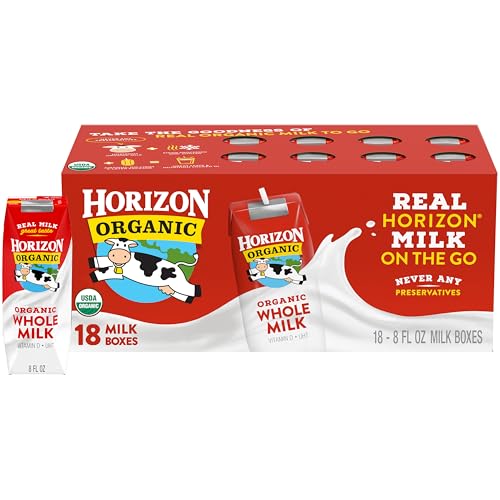
For dairy purists, Horizon Organic’s whole milk is an excellent choice. The high fat content in whole milk is key for creating a rich, creamy, and stable foam that is perfect for latte art. This milk comes from pasture-raised cows and is certified USDA Organic, offering a clean and wholesome option.
The shelf-stable boxes are incredibly convenient, meaning you can stock up without worrying about immediate refrigeration. Each small box is also perfectly portioned for a single large latte, reducing waste and making them great for on-the-go use after frothing.
Pacific Foods Barista Series Original Oat Milk

Pacific Foods developed this Barista Series Oat Milk in collaboration with professional baristas to meet the specific demands of coffee preparation. It is formulated to handle heat without curdling, which is a common challenge when steaming plant-based milks. This leads to a smooth, integrated texture in your drink.
When steamed, it produces a glossy micro-foam that holds detailed patterns, making it a fantastic tool for practicing your latte art skills at home. Its mild, oat-forward flavor provides a pleasant and creamy base that does not mask the nuanced flavors of your favorite espresso.
Elmhurst 1925 Oat Milk Barista Edition

Elmhurst stands out for its commitment to simple, clean ingredients. Their Oat Milk Barista Edition is made with just five components, containing no gums, oils, or fillers. Despite this minimalist approach, it is packed with 20 grams of whole grains and plant-based protein per serving, which aids in creating a luxuriously thick foam.
It steams beautifully, yielding a rich and buttery foam that is ideal for both lattes and cappuccinos. The HydroRelease method used in its production helps lock in nutrients and flavor, giving you a consistently high-quality milk that performs well every time.
Organic Valley Ultra-Filtered Whole Milk
Organic Valley’s Ultra-Filtered Whole Milk takes the natural frothing capabilities of dairy milk a step further. The ultra-filtration process removes some of the lactose and water, concentrating the protein and fat content. This results in a milk that is inherently richer and creamier than standard whole milk.
The higher protein and fat ratio directly translates to a more stable and voluminous foam, allowing for intricate latte art that lasts. If you are a dairy drinker looking for a significant upgrade in texture and frothing performance, this is a product worth considering for your home cafe.
Chobani Oat Extra Creamy Oat Milk
Chobani’s Extra Creamy Oat Milk is formulated for those who prioritize a rich, thick mouthfeel in their beverages. While not a dedicated barista blend, its extra creamy profile means it has a higher fat content, which contributes to a better foam structure when frothed. It blends smoothly into coffee without separating easily.
It offers a pleasant, oaty sweetness that can enhance your coffee drink without added sugars. This milk is a great all-purpose, creamy oat milk that also performs reliably well for frothing, making it a solid choice for daily use.
Buying Guide: How to Choose the Best Milk for Frothing
When I first started trying to make lattes at home, I thought any milk would do. I quickly learned that the type of milk you use is the single most important factor for getting that smooth, velvety microfoam needed for latte art. It’s not just about the fat content; it’s about the protein and sugar structure that creates a stable foam. After a lot of trial and error, here’s what I look for when I’m choosing the best milk for frothing.
First, let’s talk about dairy milk. Whole milk (around 3.25% fat) is the gold standard for many baristas, and for good reason. The fat content adds a rich, creamy sweetness, while the proteins are essential for building a stable foam that holds its shape. If you’re looking for that classic coffee shop texture and taste, whole milk is your best bet. Two percent milk can also work well, producing a slightly lighter foam, but it’s less forgiving than whole milk. Skim or non-fat milk froths up with a lot of large, airy bubbles and can feel a bit thin, but it’s great if you want a lot of stiff foam without the fat.
For those who avoid dairy, the plant-based world offers some fantastic options. The key here is to look for milks with added protein or stabilizers, as these mimic the behavior of dairy proteins. My top pick is usually barista-blend oat milk. Brands like Oatly Barista Edition are specifically formulated for coffee. They contain oils and gums that help the milk stretch and steam beautifully, creating a creamy, sweet foam that’s very close to dairy. Soy milk is another strong contender, especially higher-protein versions, but be careful as it can sometimes curdle with very acidic coffee.
Other alternatives like almond and coconut milk can be trickier. They are often lower in protein and fat, which can lead to a looser, less stable foam that collapses quickly. If you choose these, look for “barista” editions. Ultimately, the best milk for frothing is the one that suits your dietary needs and taste preferences while having the right composition to create that perfect, silky texture for your home latte art.
FAQ
Why does whole milk froth better than other types?
Whole milk froths so well because of its perfect balance of fat and protein. The proteins, mainly casein and whey, are what form the structure of the foam bubbles when you introduce air with the steam wand. The fat globules then coat these bubbles, making the foam stable, rich, and creamy. Lower-fat milks have less fat to stabilize the foam, which can result in larger, stiffer bubbles that dissipate faster.
Can I use regular store-bought almond milk for frothing?
You can try, but you’ll likely be disappointed. Most standard, shelf-stable almond milks are very low in protein and fat, which are crucial for creating a stable foam. They often produce a thin, watery foam with large bubbles that disappears quickly. For a much better result, I always recommend seeking out a “barista series” or “barista blend” almond milk. These are specifically formulated with added stabilizers and sometimes extra protein to mimic the frothing qualities of dairy.
What is the secret to getting silky microfoam?
The secret is a combination of using the right milk and proper technique. First, start with a cold pitcher and cold milk. Submerge the steam wand tip just below the surface of the milk to introduce a gentle tearing sound—this is you adding air. Only do this for a few seconds until the milk is slightly warmer than body temperature. Then, plunge the wand deeper to create a whirlpool or vortex. This spinning motion spins the air bubbles you just added, breaking them down into the tiny, silky bubbles known as microfoam. The goal is to heat the milk to around 150°F (65°C).
How important is milk temperature when frothing?
It’s incredibly important. If the milk is too cold, it won’t froth properly. If it gets too hot (above 160°F or 70°C), the proteins will denature and break down, causing your beautiful foam to collapse instantly. It also gives the milk a scalded, cooked flavor. I use a thermometer to be precise, but with practice, you can gauge it by touch. The pitcher should be almost too hot to touch for more than a second. Finding that perfect milk for frothing is only half the battle; nailing the temperature is what perfects your home latte art.
Is it easier to froth milk with a manual frother or a steam wand?
A steam wand on an espresso machine is the professional tool and, with practice, gives you the most control over texture and temperature, making it the best method for true latte art. Manual frothers (like a French press or a handheld whisk) can introduce air and create foam, but it’s much harder to achieve the uniform microfoam needed for pouring designs. They are a great and affordable starting point, but a steam wand is the superior tool for the job.