Finding the perfect way to sweeten your coffee is a personal journey. With so many sugar alternatives available, from classic artificial sweeteners to newer plant-based options, the choices can be overwhelming. Whether your priority is zero calories, a natural ingredient list, or a specific taste profile that doesn’t leave a bitter aftertaste, there’s a product designed for your cup.
This guide simplifies your search by highlighting eight of the best coffee sweeteners on the market. We’ve compiled a range of options to suit different preferences and dietary needs, helping you find the ideal companion for your morning ritual. From large value packs for the office to single-origin plant extracts, your next favorite sweetener is waiting to be found.
Our Top Picks for Coffee Sweeteners
- Splenda No Calorie Sweetener Value Pack
- EQUAL 0 Calorie Sweetener Packets
- SPLENDA Zero Calorie Granulated Sweetener
- Truvia Original Calorie-Free Sweetener
- Stevia In The Raw Sweetener Packets
- Lakanto Classic Monk Fruit Sweetener
- Sweet’N Low Zero Calorie Sweetener
- Equal Zero Calorie Sweetener Packets
Splenda No Calorie Sweetener Value Pack
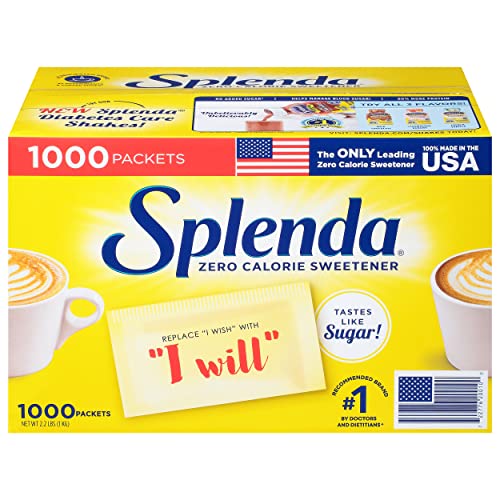
For households or offices that go through a lot of sweetener, this Splenda value pack is a practical choice. It contains 1000 individual packets, ensuring you have a steady supply for your coffee, tea, and other beverages. Made in the USA, each packet provides the sweetness of two teaspoons of sugar, making it easy to control the sweetness level in your cup.
As a sugar-free alternative, Splenda is a versatile product that can also be used in baking and on cereal. Its no-calorie formula offers a way to enjoy sweetened drinks without the guilt. The familiar taste and reliable performance have made it a staple for many looking to reduce their sugar intake.
EQUAL 0 Calorie Sweetener Packets

EQUAL offers a zero-calorie sweetening experience using a blend of Aspartame and Acesulfame-K. This combination is designed to provide a clean, sweet taste without the calories of sugar. The sweetener is also free from erythritol, which is a benefit for those who are sensitive to that particular sugar alcohol.
The convenience of these packets makes them ideal for sweetening your coffee and tea on the go. You can achieve precise sweetness every time without the need for measuring spoons. It’s a straightforward solution for anyone seeking a guilt-free sugar alternative for their daily drinks.
SPLENDA Zero Calorie Granulated Sweetener

If you prefer a granulated form for easy pouring and measuring, this Splenda twin pack is an excellent option. The resealable bags help maintain freshness after opening. Like the packets, this granulated sweetener is made from sugar and is designed to taste like it, with zero calories and less than one gram of carbohydrates.
This format is particularly useful for baking and cooking, as it can be used as a direct substitute for sugar in many recipes. It dissolves well in both hot and cold beverages, making it a versatile pantry staple. As one of America’s most popular sweeteners, it continues to be a trusted choice for many.
Truvia Original Calorie-Free Sweetener

Truvia is a well-known calorie-free sweetener derived from the stevia leaf. Its formula combines stevia leaf extract with erythritol and natural flavors to create a sweet taste that mimics sugar. Each packet provides the same sweetness as two teaspoons of sugar, allowing for easy conversion in your coffee.
This product appeals to those who prefer a plant-based sweetener option. The large box of 500 packets is a great value for regular users. It offers a way to enjoy sweetness from a natural source without adding calories to your diet.
Stevia In The Raw Stevia Sweetener Packets

This product offers a purer stevia experience, as it contains no erythritol or artificial flavors. The sweetness is extracted directly from the leaves of the stevia plant. It is certified USDA Organic and Non-GMO Project Verified, meeting high standards for quality and sourcing.
Stevia In The Raw is versatile for use in hot and cold beverages, cooking, and baking. It is also vegan, gluten-free, and has a low glycemic index, making it suitable for a wide range of dietary preferences and needs. For those seeking a simple, plant-derived sweetener, this is a strong contender.
Lakanto Classic Monk Fruit Sweetener
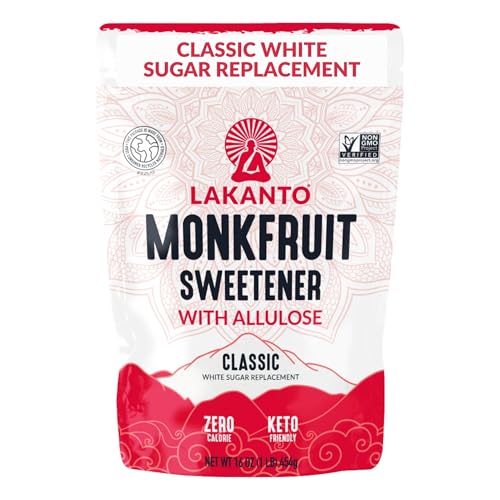
Lakanto’s sweetener combines monk fruit extract with allulose to create a sugar substitute with zero calories. This blend is designed to offer a taste and texture very close to real sugar without the glycemic impact. It dissolves quickly and works well in both drinks and baked goods.
This product is an excellent choice for those on keto, low-carb, or other sugar-restricted diets. It measures cup-for-cup like sugar, making recipe conversion simple. The inclusion of allulose helps provide a more sugar-like mouthfeel and performance.
Sweet’N Low Zero Calorie Sweetener
Sweet’N Low is one of the most recognizable names in artificial sweeteners, known for its distinctive pink packets. It has been a diner and coffee shop staple for decades, offering a zero-calorie alternative to sugar. Its high heat stability makes it suitable for hot beverages like coffee and tea.
Many people appreciate its potent sweetness, which means a little goes a long way. For those who have used it for years, it provides a familiar and reliable taste. It remains a popular choice for a quick and easy way to sweeten a drink without adding calories.
Equal Zero Calorie Sweetener Packets
This smaller box of Equal packets provides the same great taste in a more manageable quantity. It’s perfect for trying out the sweetener or for those who don’t need the bulk of a 1000-count box. The blue packets are easily identifiable and offer a zero-calorie way to sweeten your day.
Equal’s formula is designed to dissolve quickly and provide a smooth sweetness without a bitter aftertaste. It’s a convenient option to keep in your pantry, desk drawer, or travel bag for whenever you need a sugar-free boost for your coffee or tea.
Buying Guide: How to Choose the Best Coffee Sweetener
Finding the right sweetener for your coffee is a personal journey. It is not just about adding sweetness; it is about complementing the coffee’s flavor profile to match your personal taste. With so many options on the shelf, from classic white sugar to zero-calorie alternatives, knowing what to look for can make your morning routine much more enjoyable. I have spent a lot of time testing different sweeteners in my cup, and I want to share what I have learned to help you find your perfect match.
First, consider your primary goal. Are you looking to cut calories, or is flavor your main priority? If you are managing your sugar intake, natural zero-calorie sweeteners like stevia or monk fruit are excellent choices. They are much sweeter than sugar, so you will use less. For a more natural, less processed option, raw honey or pure maple syrup can add a wonderful depth of flavor alongside their sweetness. Just remember, they do contribute calories and a distinct taste that will change your coffee’s character.
The next thing I always think about is solubility. There is nothing worse than a gritty, undissolved sweetener at the bottom of your mug. Classic granulated white sugar dissolves easily in hot coffee, which is a big reason for its popularity. Liquid sweeteners like simple syrup or agave nectar are also fantastic for this—they blend in instantly, ensuring every sip is consistently sweet. Some sugar substitutes, however, can have a harder time dissolving, especially in iced coffee, so keep that in mind if you are a cold brew fan.
Finally, pay close attention to the flavor profile. Not all sweeteners taste the same. Artificial sweeteners can sometimes have a noticeable chemical aftertaste that not everyone enjoys. Natural options like coconut sugar or date sugar bring caramel or molasses notes, which can be a great pairing with medium and dark roasts. My advice is to start with a small amount. You can always add more, but you cannot take it out. Experimenting is the best way to build your own guide to sweetening your coffee just the way you like it.
FAQ
What is the healthiest sweetener for coffee?
This depends on your definition of “healthy.” If you are looking to reduce calorie intake, stevia and monk fruit are popular natural, zero-calorie options. For a less processed choice with some trace minerals, some people opt for raw honey or pure maple syrup, though they still contain sugar and calories. There is no single best answer, as the healthiest choice is the one that aligns with your personal dietary needs and goals.
Can I use artificial sweeteners in hot and iced coffee?
Yes, you can, but their performance might differ. Many artificial sweeteners dissolve well in hot coffee. However, in iced coffee, some may not dissolve completely, leaving a slight granular texture. For cold drinks, liquid versions of these sweeteners or a homemade simple syrup often work better because they mix in more easily.
Why does my sweetener leave a weird aftertaste?
This is a common experience, especially with some artificial sweeteners like saccharin or aspartame. The compounds that provide the intense sweetness can also trigger certain taste receptors on your tongue that are interpreted as a bitter or metallic aftertaste. If you are sensitive to this, you might want to try a different type, such as sucralose (Splenda) or a natural sweetener like stevia, which many find has a cleaner finish.
How much sweetener should I start with?
I always recommend starting with a small amount—about half a teaspoon of granulated sweetener or the equivalent. You can taste your coffee and add more if needed. Remember, especially with potent sweeteners like stevia, a little goes a very long way. It is much easier to add sweetness than to fix an overly sweet cup.
Are natural sweeteners like honey better than sugar?
While honey and maple syrup contain trace amounts of vitamins and antioxidants, they are still forms of sugar and will impact your blood sugar levels. Their main advantage from a flavor perspective is that they contribute more complex notes than plain white sugar. However, from a nutritional standpoint, they should still be used in moderation as part of a balanced diet.
What is a good sugar substitute for baking coffee cakes or desserts?
For baking, you need a sweetener that can provide bulk and texture similar to sugar. Coconut sugar and maple syrup are great one-to-one substitutes in many recipes. For a zero-calorie option, erythritol-based blends are often designed specifically for baking and can usually replace sugar in equal measurements, making your search for the right coffee sweetener for your kitchen easier.