For coffee connoisseurs seeking an exceptional cup, the peaberry bean represents a rare and prized find. Unlike standard coffee cherries that produce two flat-sided beans, a peaberry occurs when only one small, round bean develops. This unique shape allows for more even roasting and is often said to concentrate the flavors of the coffee, resulting in a uniquely bright, complex, and smooth profile. Only about 5% of any harvest consists of these special beans, making them a highly sought-after treat.
This roundup is your guide to the finest peaberry coffees available. We have curated a selection from renowned growing regions like Tanzania, Hawaii, and Costa Rica, featuring a variety of roasts and grinds to suit your preferred brewing method. Whether you enjoy a vibrant, fruity light roast or a rich, chocolatey dark roast, you are sure to find a peaberry coffee that elevates your morning ritual.
Our Top Picks for Peaberry Coffee
- Tanzania Peaberry Coffee, Mount Kilimanjaro, Whole Bean
- 100% Kona Coffee – Peaberry Medium Dark Roast by Hualalai Estate
- Mulvadi 100% Kona Peaberry Whole Bean Coffee
- Phase 1 Peaberry Ground, Organic, from Dominican Republic
- Costa Rica Peaberry Coffee, Whole Bean, Medium Roast
- Kicking Horse Coffee, Cliff Hanger Espresso, Whole Bean
- Coffee Bean Direct Tanzanian Peaberry, Whole Bean Coffee
- Stone Street Cold Brew Coffee, Low Acid, Coarse Ground
- Tanzania Peaberry Coffee – Good As Gold Coffee Roasters
- Volcanica Tanzania Peaberry Coffee
Tanzania Peaberry Coffee, Mount Kilimanjaro, Whole Bean

Sourced from the fertile slopes of Mount Kilimanjaro, this 100% pure Tanzanian Peaberry coffee offers a complex and aromatic experience. It is characterized by a wonderful acidity, a rich body, and an intense flavor profile that is both vibrant and satisfying. The tasting notes of dried fruit, savory chocolate, and orange create a layered and memorable cup.
This coffee stands out for its commitment to quality and safety. It undergoes rigorous phytosanitary testing before export and additional lab analysis to check for mycotoxins and mold. Roasted at over 400°F, this process ensures a fresh, safe, and impurity-free coffee experience from bean to brew.
100% Kona Coffee – Peaberry Medium Dark Roast by Hualalai Estate
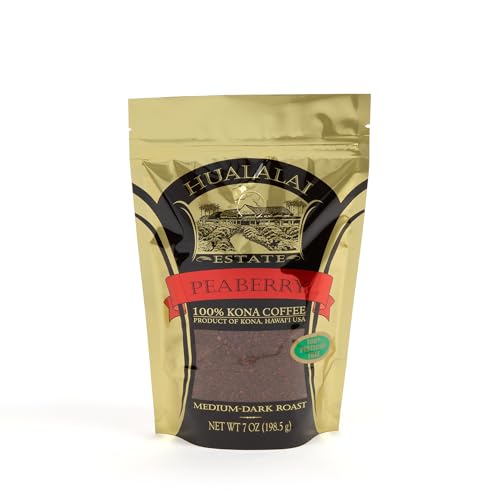
Experience the luxury of Hawaiian coffee with this premium estate Peaberry from Hualalai. This 100% Kona coffee is a medium-dark roast blend that captures the smooth, rich, and distinct flavor that Kona is famous for. The peaberry beans contribute to a exceptionally balanced and full-bodied cup with low acidity.
An important feature of this coffee is its commitment to purity, being 100% pesticide-free. This ground coffee is ready to brew, offering a convenient way to enjoy a truly authentic and high-quality Kona experience at home.
Mulvadi 100% Kona Peaberry Whole Bean Coffee

Mulvadi offers another exceptional option for lovers of authentic Hawaiian coffee. This product consists of 100% Kona Peaberry whole beans, allowing you to grind them fresh for the ultimate flavor. Whole bean coffee preserves the delicate oils and aromatics until the moment you brew, resulting in a noticeably fresher and more vibrant cup.
The peaberry classification ensures you are getting the rare, round beans known for their concentrated flavor and even roast. This is an excellent choice for those who appreciate the nuanced, smooth characteristics of Kona coffee and want maximum freshness from their brew.
Phase 1 Peaberry Ground, Organic, from Dominican Republic

Phase One by Kimera Koffee is a unique offering of 100% organic peaberry beans sourced directly from their high-altitude single estate in the Dominican Republic. By working directly with their farms, they ensure quality and transparency from harvest to bag. This coffee represents the purest form of their harvest, focusing solely on the exceptional quality of the peaberry bean.
The peaberry beans are hand-sorted and are known for their slightly higher caffeine content and smoother taste. Their round shape allows for a more even roast, which produces sweeter and more balanced flavors. This ground coffee is ready for your brewer, offering a convenient and ethically sourced organic option.
Costa Rica Peaberry Coffee, Whole Bean, Medium Roast

This 100% pure Costa Rican Peaberry offers a beautifully balanced and intense flavor profile. Grown on the La Isabela Estate in the Tres Rios region, it is known for its mild, sweet, and bright characteristics with notes of fruit and citrus. The medium roast highlights the bean’s inherent complexity without overpowering its delicate nuances.
Similar to its Tanzanian counterpart, this coffee is rigorously tested for mold and mycotoxins to guarantee a safe and fresh product. It is also shade-grown and rain forest certified, supporting sustainable farming practices that benefit both the environment and the local community.
Kicking Horse Coffee, Cliff Hanger Espresso, Whole Bean

Kicking Horse Coffee’s Cliff Hanger Espresso is a medium roast, whole bean coffee that is certified organic and Fairtrade. Roasted in the Canadian Rocky Mountains, this blend is silky and complex, with tasting notes of wild berry syrup and a smooth cocoa finish. While not a single-origin peaberry, its profile is well-suited for those who appreciate the bright, fruity notes often found in peaberry coffees.
This coffee is an excellent choice for making espresso but is also versatile enough for any brewing method. The commitment to organic and Fairtrade practices means you can enjoy a great cup of coffee while supporting ethical and sustainable sourcing.
Coffee Bean Direct Tanzanian Peaberry, Whole Bean Coffee

This light roast Tanzanian Peaberry from Coffee Bean Direct showcases the bean’s unique characteristics with an intoxicating, chocolaty aroma. It features a rich, winey body and subtle undertones that make it a surprisingly versatile coffee, perfect for any time of day. The light roast allows the inherent fruity and complex flavors of the peaberry to shine through.
Available in a larger 5-pound bag, this is an ideal option for serious coffee drinkers or households that go through coffee quickly. As whole beans, they retain their freshness longer and allow you to grind according to your preferred brewing technique, from French press to pour-over.
Stone Street Cold Brew Coffee, Low Acid, Coarse Ground

Stone Street Coffee is specifically crafted for cold brew enthusiasts. This coffee uses 100% Arabica beans from Colombia, classified as ‘Supremo’ for their large size and high quality. The beans are dark roasted to bring out nutty and chocolate notes, then ground to a perfect coarse size for optimal cold brew extraction.
The result is a strong and smooth blend that is naturally low in acid and slightly sweet. This formulation makes for a bold, balanced, and refreshing cold brew or iced coffee that you can easily customize to your preferred strength.
Tanzania Peaberry Coffee – Good As Gold Coffee Roasters

Good As Gold Coffee Roasters brings you a freshly roasted Tanzania Peaberry in a medium roast whole bean format. This coffee is known for its unique profile, featuring a smooth buttery body and a sweet, delicate finish. The medium roast is a popular choice as it balances the bean’s natural acidity with developed roast flavors.
Choosing whole bean coffee from a dedicated roaster like Good As Gold often means a higher level of freshness and attention to detail. This product is for those who seek a classic, well-executed Tanzanian Peaberry experience.
Volcanica Tanzania Peaberry Coffee
Volcanica is a renowned roaster known for sourcing high-quality beans from volcanic regions around the world, and their Tanzania Peaberry is a standout offering. Coffees grown in volcanic soil often benefit from the mineral-rich earth, which can enhance the complexity and depth of flavor. The Tanzania Peaberry from Volcanica typically presents a bright acidity with vibrant fruit and floral notes.
This coffee is an excellent option for those who want to experience a peaberry coffee from a specialty roaster with a strong reputation. Volcanica’s commitment to quality and unique sourcing makes this a compelling choice for any coffee enthusiast looking to expand their palate.
Buying Guide: How to Choose the Best Peaberry Coffee
When I’m looking for a new bag of peaberry coffee, the first thing I consider is the origin. The environment where the coffee is grown has a massive impact on its final taste. Tanzanian peaberry, especially from the slopes of Mount Kilimanjaro, is famous for its bright, winey acidity and complex fruit notes. Kenyan peaberry often packs a punch with bold, berry-like flavors and a rich body. If you prefer something a bit smoother and sweeter, a peaberry from Kona, Hawaii might be your perfect match. Each region tells a different story in the cup, so think about the flavor profile you enjoy most.
Next, pay close attention to the roast level. I’ve found that a medium roast is often the sweet spot for peaberry beans. It’s enough to develop some body and sweetness without scorching the delicate, nuanced flavors that make peaberry so special. A dark roast can easily overpower those unique floral and fruity notes, turning your rare find into something that tastes like any other dark coffee. Light roasts can be fantastic too, really highlighting the origin’s character, but they might be too bright or acidic for some palates. Always check the roaster’s description for their recommended roast.
The roast date is another non-negotiable for me. Coffee is a fresh agricultural product, and it peaks within weeks of being roasted. I always look for a roaster who prints the roast date directly on the bag, not just a “best by” date. Ideally, you want to buy beans that were roasted within the past two to four weeks. This ensures you get to experience the coffee at its most vibrant and aromatic. Stale coffee, no matter how high-quality the bean, will taste flat and dull.
Finally, think about the grind. If you have a grinder at home, I strongly recommend buying whole bean coffee. Grinding your beans just before you brew is the single best way to improve your coffee’s flavor. Pre-ground coffee loses its aromatics and complexity much faster. If you don’t have a grinder, that’s okay—just make sure to select a grind size that matches your specific brewing method (e.g., drip, French press, espresso) when you order. Getting the right grind size for your equipment makes a world of difference in the final cup. This careful selection process is key to finding one of the 10 best peaberry coffee of 2025 that truly suits your taste.
Frequently Asked Questions
What exactly is a peaberry coffee bean?
A peaberry is a natural mutation that occurs inside a coffee cherry. Normally, each cherry produces two flat-sided beans. A peaberry happens when only one of the two seeds gets fertilized, resulting in a single, small, round bean. Instead of two halves, you get one whole, pea-shaped bean. They are typically hand-sorted from the rest of the crop, making up only about 5-10% of any harvest. Because of their unique shape, many people believe they roast more evenly and possess a more concentrated, intense flavor compared to traditional flat beans.
Why is peaberry coffee often more expensive?
The price tag comes down to scarcity and labor. Since peaberries make up such a small percentage of the total harvest, there’s simply less of it available. Furthermore, separating these round beans from the standard flat beans is a meticulous, often manual process. This extra step in the sorting and grading phase requires more time and effort, which adds to the final cost. You’re paying for a rarer, more labor-intensive product.
Does peaberry coffee have more caffeine?
This is a common belief, but it’s a bit of a myth. By weight, a peaberry bean does not inherently contain more caffeine than a regular bean from the same batch. However, because of their smaller, denser size, a scoop of peaberry coffee might contain more individual beans than a scoop of larger, flat beans. This could technically lead to a slightly more caffeinated brew if you measure by volume (like with a scoop), but if you measure by weight (which I recommend for consistency), the caffeine content should be very similar.
What is the best way to brew peaberry coffee?
To really let the nuanced flavors shine, I prefer using a pour-over method like a Hario V60 or a Chemex. These methods give you a lot of control over the water temperature and flow rate, allowing you to extract the bright, clean, and complex notes that peaberries are known for. A standard auto-drip machine can work just fine, but for a truly detailed look at the 10 best peaberry coffee of 2025, you’ll want a brewing technique that highlights its unique characteristics. Avoid methods that use a metal mesh filter, as a paper filter will produce a cleaner cup that better showcases the bean’s clarity.
Can I use peaberry coffee for espresso?
Absolutely, you can! A peaberry coffee can make a fantastic and unique single-origin espresso. Its often brighter and fruit-forward profile can result in a very lively and complex shot. However, it might not give you the classic, heavy-bodied “espresso” taste that many people associate with darker roasted blends. If you enjoy espresso with pronounced acidity and fruit notes, you will likely love a peaberry shot. It’s all about personal preference.