Costa Rican coffee holds a special place in the hearts of coffee enthusiasts worldwide. Renowned for its exceptional balance and clean, vibrant flavors, coffee from this Central American nation is often considered a benchmark for quality. The unique combination of rich volcanic soil, high altitudes, and ideal climate in regions like Tarrazú and Tres Ríos creates a bean that is both complex and incredibly smooth. Whether you prefer a bright, fruity light roast or a deep, chocolatey dark roast, the diverse profiles from Costa Rica offer something for every palate. This guide will help you navigate the best options available to bring this exquisite coffee experience into your home.
Selecting the right Costa Rican coffee can seem daunting with so many choices. The key differences often lie in the specific growing region, the roast level, and the processing methods. From the prized Peaberry beans to the carbon-neutral offerings from in-country roasters, each product on our list represents a unique expression of Costa Rica’s terroir. We have curated a selection that highlights single-origin purity, ethical sourcing, and a range of flavor profiles to suit various brewing methods, from French press to pour-over. Our roundup is designed to simplify your search and lead you to your next favorite bag of beans.
Our Top Picks for Costa Rican Coffee
- Coffee Bean Direct Dark Costa Rican Tarrazu
- Costa Rica Peaberry Coffee, Whole Bean, Medium Roast
- Café Britt – Costa Rican Tres Rios Valdivia Coffee
- Coffee Bean Direct Costa Rican Tarrazu, Light Roast
- Café Britt – Costa Rican Montecielo Coffee From Tarrazu
- Fresh Roasted Coffee, Costa Rican Tarrazu, Whole Bean
- Copper Moon Costa Rican Blend Whole Bean Coffee
- Low Acid Organic Coffee by Java Planet, Costa Rican
- Cameron’s Coffee Roasted Whole Bean, Costa Rica Blend
- Volcanica Coffee Costa Rican Tarrazu Whole Bean
Coffee Bean Direct Dark Costa Rican Tarrazu
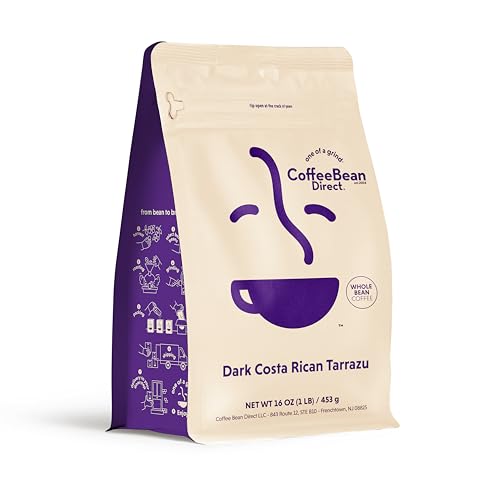
For those who appreciate a robust and full-bodied cup, this Dark Roast Tarrazu is an excellent choice. The beans are roasted to a rich, dark profile that highlights the natural complexity inherent in Costa Rican coffee. You can expect a satisfying combination of flavors, including distinct hints of dark chocolate, a touch of citrus, and a underlying honey sweetness that balances the intensity.
The finish is smooth with a gentle, smoky character that makes each sip memorable. This coffee is versatile and performs well across various brewing methods. It is particularly well-suited for making a strong cold brew or a rich French press coffee that stands up to milk or cream.
Costa Rica Peaberry Coffee, Whole Bean, Medium Roast

This coffee features the unique Peaberry bean, a natural mutation where a single, round bean forms inside the coffee cherry instead of the usual two flat-sided beans. Many believe this results in a denser bean that roasts more evenly and offers a more concentrated flavor. This medium roast from the La Isabela Estate is known for its balanced and intense profile, with mild, sweet, and bright notes of fruit and citrus.
A significant benefit of this coffee is its rigorous testing for mold and impurities, providing assurance of a clean and safe product. As a single-origin, shade-grown coffee that is also rainforest certified, it supports both environmental sustainability and the well-being of local communities.
Café Britt – Costa Rican Tres Rios Valdivia Coffee

Hailing from the prestigious Tres Ríos region, often called the “Bordeaux of Costa Rica,” this coffee offers a sophisticated light medium roast experience. The aroma is reminiscent of honey-nut, while the flavor profile unfolds with distinct notes of plum, allspice, and a refreshing orange citrus. This complex combination makes for a truly gourmet cup that is both intriguing and smooth.
A key differentiator for Café Britt is that their coffee is picked, roasted, and packed entirely in Costa Rica. This direct process ensures exceptional freshness and captures the authentic character of the bean. Furthermore, the company is certified carbon neutral, allowing you to enjoy your coffee with a clear conscience.
Coffee Bean Direct Costa Rican Tarrazu, Light Roast

If you prefer a brighter and more nuanced coffee, this Light Roast Tarrazu is an ideal selection. The lighter roasting process allows the bean’s inherent characteristics to shine, resulting in a cup with prominent notes of tart lemon, sweet milk chocolate, and a hint of honey. It is a smooth and balanced brew with a noticeably fruity aroma.
This option comes in a larger five-pound bag, making it perfect for households with multiple coffee drinkers or for anyone who wants to ensure they don’t run out of their favorite beans. Its clean and sweet profile makes it an excellent candidate for pour-over or AeroPress brewing methods that highlight its clarity.
Café Britt – Costa Rican Montecielo Coffee From Tarrazu

This offering from Café Britt focuses on the world-famous Tarrazú region with a medium dark roast. The roasting profile is designed to highlight a rich, chocolaty flavor that is complemented by a surprising and pleasant hint of grapefruit. This creates a cup that is both satisfyingly deep and complex with a bright, citrusy lift.
Like its Tres Ríos counterpart, the Montecielo coffee is roasted and packed in Costa Rica to guarantee freshness. You are getting an authentic product directly from its source. The company’s commitment to carbon neutrality adds an extra layer of appeal for the environmentally conscious consumer.
Fresh Roasted Coffee, Costa Rican Tarrazu, Whole Bean

This single-origin Tarrazu coffee delivers an intensely flavorful experience with clear notes of honey and chocolate. Despite being a medium roast, the body is vibrant and produces an incredibly satisfying cup that is neither too heavy nor too light. It strikes a remarkable balance that will please a wide range of coffee drinkers.
The beans are a blend of Caturra and Catuai varietals, grown at high altitudes between 1,300 and 1,600 meters, and are fully washed. Fresh Roasted Coffee ensures sustainable sourcing and proudly roasts, blends, and packages its products in the USA, supporting local jobs while bringing you a high-quality international bean.
Copper Moon Costa Rican Blend Whole Bean Coffee

Copper Moon’s Costa Rican Blend is a specialty medium roast celebrated for its lively and aromatic profile. The aroma during brewing reveals a delightful nuttiness that complements the rich coffee fragrance. Each sip is silky smooth, presenting a complex blend of tasting notes including light fruit, floral hints, and subtle undertones of toasted almond and light cocoa.
This coffee is an excellent choice for those seeking a smooth, daily drinker that is both interesting and approachable. The whole beans are certified kosher, gluten-free, and non-GMO, ensuring a pure and worry-free coffee experience that focuses on flavor and quality.
Low Acid Organic Coffee by Java Planet, Costa Rican

Java Planet addresses the needs of coffee lovers with sensitive stomachs by offering this low-acid, organic Costa Rican coffee. The dark roast process not only creates a smooth, bold flavor but also helps to reduce the coffee’s acidity. The resulting cup features prominent chocolate and caramel flavors with a light citrus note, making it both gentle and full-flavored.
This coffee provides significant peace of mind, as the 100% organic arabica beans are independently tested for mold and heavy metals. It is also sourced from farmers who practice social and environmental responsibility, so your purchase supports ethical and sustainable agriculture.
Cameron’s Coffee Roasted Whole Bean, Costa Rica Blend

Cameron’s Coffee takes a handcrafted, small-batch approach to roasting, focusing on bringing out the smoothest, most flavorful profile possible. Their Costa Rica Blend is mountain-grown and offers a robust flavor that is expertly balanced by a crisp acidity. The result is a coffee that is rich and flavorful without ever being bitter.
The company is committed to quality, selecting only the top 10% of Arabica beans in the world for their products. This commitment ensures a consistently smooth and full-flavor coffee experience with every brew, making it a reliable and enjoyable choice for your morning routine.
Volcanica Coffee Costa Rican Tarrazu Whole Bean
Volcanica Coffee specializes in sourcing beans from the world’s great volcanic regions, and their Costa Rican Tarrazu is a prime example of the quality this terrain can produce. Grown in the rich volcanic soil of the Tarrazú mountains, these beans benefit from the perfect mineral balance and drainage, which contributes to their celebrated clarity and flavor intensity.
Expect a classic Tarrazú profile that is well-balanced, with bright acidity and clean notes of citrus and chocolate. Volcanica is known for providing fresh, high-quality gourmet coffee, making this a fantastic option for purists who want to experience an authentic and expertly sourced Tarrazu coffee.
Buying Guide: How to Choose Your 10 Best Costa Rican Coffee
When I’m looking for my next bag of Costa Rican coffee, I don’t just grab the first one I see. The country’s diverse microclimates and strict processing laws create a huge range of flavors, so knowing what to look for makes all the difference. My first stop is always the region on the bag. The Tarrazú region is famous for its high-altitude farms, producing beans with a bright, sharp acidity and a full body that I love for my morning pour-over. If I’m in the mood for something a bit softer and more aromatic, I look for beans from the Central Valley, which often have chocolatey and nutty notes that are perfect for my French press.
Next, I always check the roast date, not the expiration date. Coffee is at its best within a few weeks of roasting, and I want to taste those vibrant, fresh notes I paid for. I avoid bags that don’t list a roast date at all. Then, I consider the roast level. Costa Rican beans are known for their clean, complex flavors, so a medium roast is usually my go-to. It preserves the bean’s inherent character—whether it’s fruity, floral, or citrusy—without letting the roast flavor dominate. A dark roast can sometimes overpower the very qualities that make this origin special.
Finally, I think about the processing method. The honey process is a big deal in Costa Rica. It’s a method where some of the sticky fruit mucilage is left on the bean during drying. This gives the coffee a unique sweetness and body that falls somewhere between a clean washed coffee and a fruity natural process. If you see “Black Honey,” “Red Honey,” or “Yellow Honey” on the bag, it’s referring to how much mucilage was left on, which affects the final taste. I find honey processed coffees add a wonderful, syrupy quality that makes my daily cup feel a bit more special. By paying attention to these details—region, roast date, and process—I can confidently navigate the world of the 10 best Costa Rican coffee and find a bag that perfectly suits my taste.
FAQ
What makes Costa Rican coffee different from other origins?
Costa Rican coffee stands out because of the country’s perfect growing conditions—volcanic soil, high altitude, and a stable climate—combined with a national ban on producing lower-quality Robusta beans. This means you’re always getting 100% Arabica coffee. The focus is on clean, well-defined flavors, often with a bright acidity and a remarkably smooth body. It’s a coffee that tastes refined and balanced, without the harshness you can sometimes find elsewhere.
Should I buy whole bean or pre-ground coffee?
I always, always buy whole bean. Grinding your coffee just before you brew it is the single biggest upgrade you can make to your coffee game at home. Pre-ground coffee loses its aromatics and flavors much faster because it has more surface area exposed to air. A decent burr grinder isn’t a huge investment and it lets you control the grind size for your specific brewing method, which is crucial for getting a great extraction. Trust me, the difference in taste is night and day.
What is the best way to brew Costa Rican coffee?
There’s no single “best” way, as it depends on what you like. For highlighting the bright, nuanced flavors of a Tarrazú coffee, I prefer a pour-over method like a Hario V60 or a Chemex. These methods produce a clean and crisp cup. If I have a coffee from the Central Valley with chocolatey notes, I might use a French press to get a richer, fuller-bodied brew. Even a good auto-drip machine can make a fantastic cup if you use a clean filter and the right grind size. Experiment to find your favorite.
Why is some Costa Rican coffee more expensive?
The price often reflects the specific farm, the altitude, and the processing method. Strictly Hard Bean (SHB) means the beans were grown at very high altitudes, which causes them to grow denser and develop more complex sugars, leading to a better flavor. Micro-lots or single-origin coffees from a specific famous farm also command a higher price due to their unique, traceable quality and limited availability. When you’re exploring the 10 best Costa Rican coffee, you’ll notice these specialty options, and they can be a real treat.
How should I store my coffee beans?
Keep them in an airtight container at room temperature, away from light, heat, and moisture. I strongly advise against storing coffee in the fridge or freezer. The cold can cause condensation, which can ruin the flavor and oils in the beans every time you take them out. Just buy what you’ll use within a week or two from the roast date and keep it in a cool, dark cupboard in a sealed bag or container.